Fixing Weak Coffee: Common Brewing Mistakes

Fixing Weak Coffee: Common Brewing Mistakes means identifying the specific variable in your brewing process that produces a thin, watery, or under-flavored cup. Weak coffee usually results from too coarse a grind, too little coffee, water that runs too cool, or a brew time that cuts short before full extraction, and changing just one of those factors can transform the result.
This matters because weak coffee is one of the most common complaints among home brewers, yet the fix is usually simple once you know where to look. Many people assume the beans are the problem and buy something different, when the real issue is grind setting, dose, or water temperature. As a result, understanding the root cause saves money, reduces waste, and gets you a better cup faster.
This article walks through the most common brewing mistakes that cause weak coffee and gives you practical, specific fixes for each one. It also explains how brewing method affects strength so you can adjust your approach no matter which brewer you use.
Why Coffee Turns Out Weak
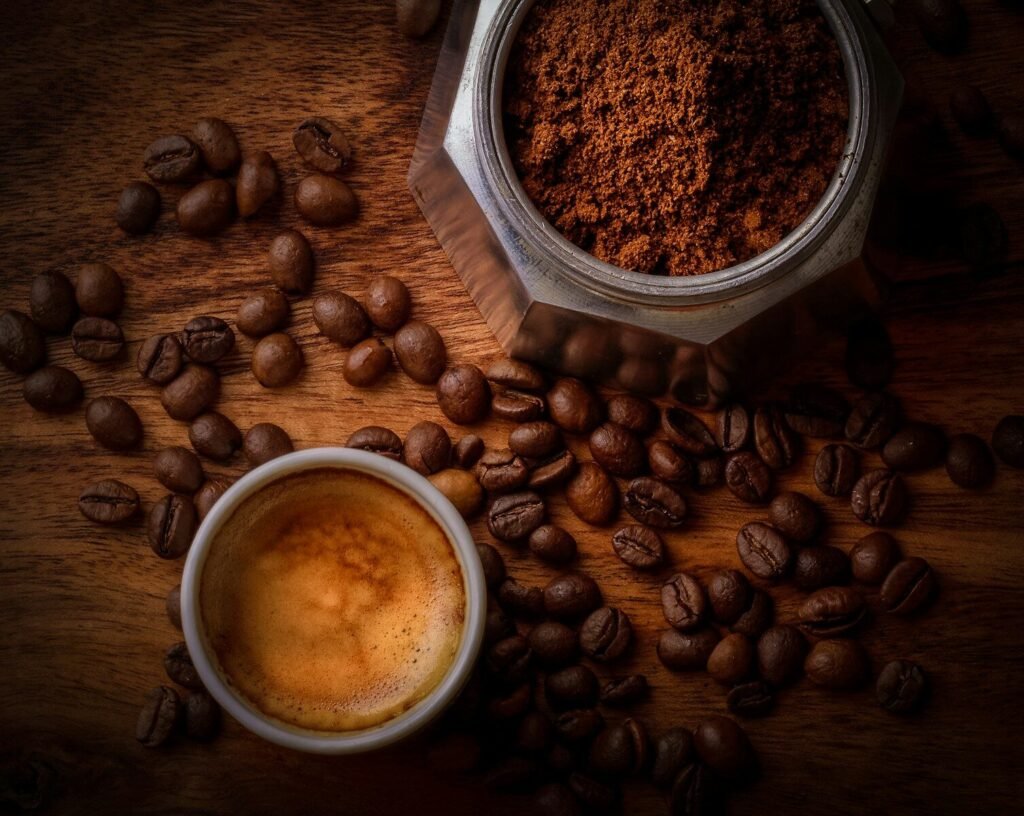
Coffee turns out weak when the water does not extract enough soluble compounds from the grounds. Those compounds include the acids, oils, sugars, and aromatic molecules that create flavor, body, and sweetness. When extraction falls short, the cup tastes thin, flat, or watery even when the beans themselves are good. Therefore, weak coffee is almost always an extraction problem, not a bean problem.
Extraction depends on several variables working together. Grind size controls how much surface area the water contacts. Dose controls how much coffee the water has to work with. Water temperature controls how efficiently compounds dissolve. Brew time controls how long the water stays in contact with the grounds. If any one of those variables falls outside a useful range, the cup suffers. As a result, fixing weak coffee usually means identifying which variable drifted too far in the wrong direction.
It helps to change one variable at a time when troubleshooting. If you adjust grind size, dose, and temperature all at once, you will not know which change made the difference. Instead, start with the most likely cause and work from there. That methodical approach solves the problem faster and teaches you more about your specific brewer.
For broader brewing guidance, How to Brew the Perfect Cup of Coffee gives a solid foundation for understanding extraction. If you want to connect grind to extraction, Coffee Grinder Types Explained helps you understand why grind consistency matters so much.
What under-extraction feels like
Under-extracted coffee usually tastes sour, thin, or hollow. It may also feel sharp and lack sweetness or body.
That combination often means the water moved through the grounds too quickly or did not dissolve enough. The fix usually involves finer grind, more coffee, or hotter water.
What weak coffee is not
Weak coffee is not always the same as bad beans. Many people blame the origin or roast when the real problem lives in the brewing setup.
Before changing beans, check your grind, dose, and water. Those three fixes solve most weak coffee problems without spending more money.
Grind Size and Its Effect on Strength
Grind size has a bigger impact on extraction than most home brewers realize. A grind that is too coarse reduces the surface area the water contacts and allows water to flow through too quickly. That means the water picks up less flavor, less sweetness, and less body. The result is a weak, thin, and often slightly sour cup. Therefore, if your coffee consistently tastes watery, the grind is usually the first place to check.
Grind size should match your brew method. Pour over usually works best with a medium to medium-fine grind. Drip machines often need a medium grind. French press needs a coarser grind because the grounds steep directly in the water. Espresso needs a very fine grind because the water passes through under pressure in a short time. When grind size does not match the method, the extraction will not work as intended regardless of how good the beans are.
A consistent grind matters just as much as the size itself. Burr grinders produce a more even particle size than blade grinders, which chop unevenly and create a mix of coarse and fine particles. That mix can produce both over-extracted fine particles and under-extracted coarse ones in the same cup, which creates a flat, confused flavor rather than clean weakness. Therefore, upgrading to a burr grinder often improves coffee quality immediately, especially for people who grind at home.
For grinder guidance, Coffee Grinder Types Explained helps you compare burr and blade options. If you want to understand how bitterness and weakness relate to the same grind changes, Why Your Coffee Tastes Bitter (And How to Fix It) shows the other side of the extraction problem.
When to grind finer
Grind finer when the coffee tastes thin, sour, or lacks body. A finer grind slows water flow and increases surface contact.
Make small adjustments and taste between each change. Grinding too fine too quickly can push the cup from weak to bitter.
When grind consistency matters
Grind consistency matters because uneven particles extract at different rates. That creates a cup with mixed flavors rather than clean, balanced extraction.
A burr grinder solves this problem more reliably than a blade grinder. That single upgrade often improves every cup more than changing beans would.
Coffee-to-Water Ratio Mistakes
Coffee-to-water ratio is the most direct way to control coffee strength. If you use too little coffee for the amount of water you brew, the cup will always taste weak regardless of your other settings. Therefore, ratio mistakes often explain weak coffee more quickly than any other variable. Many people simply use less coffee than their brewing method actually needs.
A general starting point that works across most brew methods is one gram of coffee for every fifteen to seventeen grams of water. That translates to roughly one to two tablespoons per six ounces of water as a rough volume estimate, but weighing gives you far more accuracy. If you have not tried weighing your coffee, even an inexpensive kitchen scale can improve consistency dramatically.
The type of coffee also affects how much you should use. Lighter roasts often need a slightly smaller dose because they extract more easily. Darker roasts may need a slightly larger dose because they can taste hollow or thin if brewed too light. Additionally, pre-ground coffee that has lost freshness may need a slightly higher dose to compensate for the aroma and flavor compounds it has already lost.
For freshness context, Whole Beans vs Ground Coffee: Freshness & Flavor explains how ground coffee loses potency faster. If you want to understand how ratio connects to roast, Light Roast vs Dark Roast: Taste Differences helps you adjust your approach for different roast levels.
- Start with a 1:15 to 1:17 coffee-to-water ratio by weight.
- Use a kitchen scale instead of volume measurements for more accuracy.
- Increase dose before changing any other variable if the cup tastes watery.
- Adjust ratio in small increments to avoid overcorrecting.
- Account for freshness when using older or pre-ground coffee.
Ratio also affects strength differently depending on the brew method. French press and cold brew often use a higher ratio because the extraction works differently. Espresso uses a much tighter ratio because the brew is concentrated by design. Therefore, the right ratio for your method is not universal. It depends on the brewer, the grind, and the style of cup you want.
Water Temperature and Brewing Time
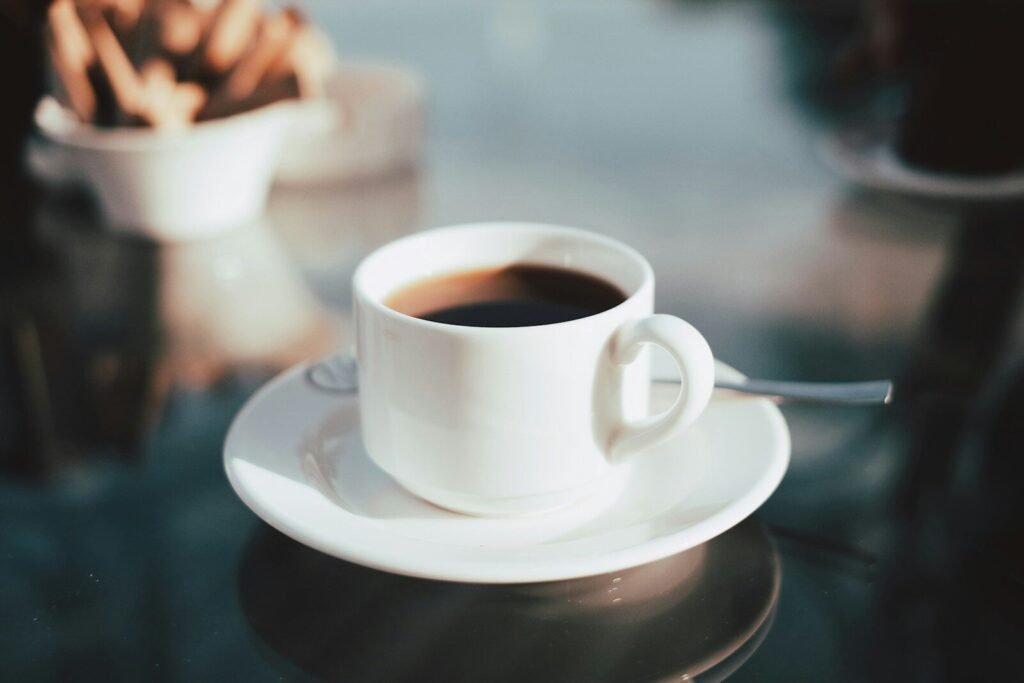
Water temperature and brewing time are two variables that many home brewers overlook when troubleshooting weak coffee. Both control how efficiently compounds extract from the grounds, and both can cause weakness if they fall short of the right range. According to the Specialty Coffee Association, optimal brew temperature for most methods falls around 195 to 205°F. Water below that range extracts less efficiently, which can make the cup taste flat, thin, or sour even when grind and dose are correct. You can review brewing standards in the SCA Coffee Standards.
Many home drip machines do not reach 200°F, especially budget models. If your machine runs cool, it may produce consistently weak coffee no matter what you do with grind or dose. That is one reason upgrading a drip machine often improves results more than adjusting technique. For pour over and French press, using water just off the boil usually puts you in a safe temperature range for most coffees.
Brew time also matters. If the water passes through too quickly, it does not have enough contact time with the grounds to extract fully. Pour over drains that empty in under two minutes often indicate too coarse a grind or too little dose. French press brews that steep for only two minutes often taste thinner than those that steep for four. Cold brew needs twelve to twenty-four hours precisely because the cold temperature extracts so slowly that time becomes the main tool.
For method-specific guidance, French Press Brewing Guide (Timing Water Temp) explains how steep time and temperature interact. If you use an automatic machine and suspect temperature issues, Best Water Filters for Coffee Machines can help you check whether water quality compounds the problem.
What to do when water runs too cool
If your machine runs cool, preheat the carafe or cup with hot water before brewing. That reduces heat loss during the brew.
For pour over, use water that has rested only fifteen to thirty seconds after boiling. That usually lands near the ideal temperature range without a thermometer.
What to do when brew time falls short
If brew time falls short, check the grind first. A coarser grind usually speeds up flow in pour over and reduces steep effectiveness in French press.
Grinding slightly finer and extending steep time often fixes weak coffee caused by timing issues. Both changes push extraction in the right direction.
Conclusion
Fixing Weak Coffee: Common Brewing Mistakes starts with understanding that weak coffee is an extraction problem with a specific cause. Whether the issue comes from grind size, dose, water temperature, or brew time, each variable has a clear fix that you can apply without changing your beans or buying new equipment.
The best approach is to change one thing at a time, taste the result, and adjust again if needed. That process teaches you how your specific brewer responds and builds the kind of intuition that makes every future cup easier to dial in. Once you find the right combination, weak coffee stops being a regular frustration and starts feeling like a problem you have genuinely solved.