
How to Clean an Espresso Machine Properly

How to Clean an Espresso Machine Properly means removing coffee oils, milk residue, scale, and spent grounds so the machine keeps brewing clean, balanced espresso. Regular cleaning protects flavor, supports consistent pressure and temperature, and helps the machine last longer with fewer problems.
This matters because espresso machines work hard and collect residue fast. If you pull shots every day, coffee oils can go stale, milk can harden in the steam parts, and mineral scale can build up inside the system. As a result, a machine that looks fine on the outside can still make bitter, dull, or inconsistent espresso.
This article explains the cleaning schedule that home espresso owners should follow, which parts need attention, and how to build a routine that stays realistic. It also shows what cleaning does not fix, so you know when maintenance helps and when a repair or deeper descaling is the better choice.
Why Espresso Cleaning Matters

Espresso cleaning matters because residue changes the taste of the coffee and the performance of the machine. Old oils cling to the group head, portafilter, baskets, and steam wand. Those oils can turn rancid and create bitter or stale flavors. Milk residue can also harden in steam parts and lead to odors, clogging, or hygiene problems. Therefore, cleaning is not just about appearance. It directly affects taste and reliability.
Scale is another major issue. If your water contains minerals, those minerals can collect inside the boiler, lines, and valves over time. Scale can slow heating, block flow, and make temperature control less stable. In contrast, a well-maintained machine usually heats more predictably and pulls more consistent shots. That consistency matters whether you use a small home machine or a more expensive setup.
Cleaning also helps protect the machine from avoidable wear. When you remove grounds, oils, and milk residue regularly, parts do not have to fight through buildup. As a result, seals, valves, and steam components often last longer. It also makes troubleshooting easier because you can spot real problems instead of residue-related ones.
For a wider espresso setup view, Best Espresso Machines for Home Use helps you compare machine types. If you want to understand how cleaning connects to the shot itself, Espresso Shot Tasting: Crema Body Finish shows how residue and extraction quality affect taste.
What buildup does to flavor
Buildup changes flavor by adding stale oils and trapped residue to fresh espresso. That can make clean coffee taste muddy, bitter, or flat.
If your machine has not been cleaned in a while, the coffee itself may not be the problem. The machine may be the reason the cup tastes off.
What buildup does to performance
Buildup affects flow, pressure, and temperature stability. Those changes can make shots pull unevenly or steam weaker than expected.
That is why routine maintenance matters even on a machine that still turns on and heats normally. Small problems often start as cleaning problems.
Daily Cleaning Routine
How to Clean an Espresso Machine Properly starts with a daily routine. At the end of each use, purge the steam wand, wipe it clean, and flush the group head with a short water run. Empty the portafilter, knock out the puck, rinse the basket, and wipe the gasket area. If you drink milk drinks, clean the milk system immediately after use. These small steps prevent residue from drying and becoming much harder to remove later.
You should also wipe down the drip tray and water tank area if your machine uses one. Spilled espresso and milk attract odors and buildup quickly. Therefore, a few seconds of care after each session saves time later and keeps the machine looking and smelling better. If you make several drinks in a row, repeat the wipe-down as needed rather than waiting until the end of the day.
A quick backflush with water only can help on machines that support it, but always follow the manufacturer’s guidance. Some machines need a blind basket and some do not. In contrast, machines without that design require a different routine. The main idea is simple: remove fresh residue before it turns into hardened buildup.
For brewing context, Complete Guide to Espresso Pulling Shots helps you understand which parts of the machine affect extraction. If you need grinder care too, Coffee Grinder Maintenance: Cleaning Burrs supports cleaner espresso by keeping the grind more consistent.
After every shot session
After every shot session, flush the group head and clean the portafilter. That prevents grounds and oils from sitting in the brew path.
If milk entered the picture, clean the steam wand immediately. Dried milk is much harder to remove later.
End of day cleanup
At the end of the day, empty the drip tray and wipe the exterior surfaces. That keeps moisture and residue from collecting overnight.
It also gives you a quick visual check. You can spot leaks, stains, or unusual buildup before they turn into bigger problems.
Weekly and Monthly Maintenance
Weekly maintenance goes beyond surface cleaning. You should clean the portafilter and baskets more thoroughly, remove any coffee oil buildup from the group head, and run a cleaning cycle if your machine supports it. Many espresso machines work best when you use a manufacturer-approved cleaning powder or tablet on a weekly schedule. Therefore, weekly cleaning targets the residue that daily wiping cannot fully remove.
Monthly maintenance usually includes a deeper inspection. Check the shower screen, gasket, steam wand tip, drip tray, water tank, and visible seals. Remove parts that the manufacturer says you can safely detach, then clean them carefully. This is also the time to check for scale, especially if your water has a moderate or high mineral content. If scale appears, a proper descaling routine may be necessary, but you should only use the method your machine maker recommends.
Milk systems need extra attention. If your machine has an automatic milk circuit, follow the cleaning steps for that system more often than you might expect. If it has a manual steam wand, purge and wipe after every use, then soak or clean the tip regularly. In contrast, skipping milk cleaning can create odors and clogging very quickly.
For scale and water support, Best Water Filters for Coffee Machines helps reduce mineral buildup. If scale already shows up, Best Coffee Descaling Solutions Reviewed can help you compare cleaning approaches.
Weekly deep clean
A weekly deep clean removes coffee oils that daily rinsing leaves behind. Use the cleaning method your machine manufacturer recommends.
That step keeps the brew path cleaner and protects taste. It also helps the machine run more predictably.
Monthly inspection
Monthly inspection helps you catch wear before it becomes failure. Look for scale, cracked seals, clogged tips, or sticky valves.
If you notice unusual performance changes, cleaning may not be enough. A part may need replacement or service.
What to Clean on Each Part
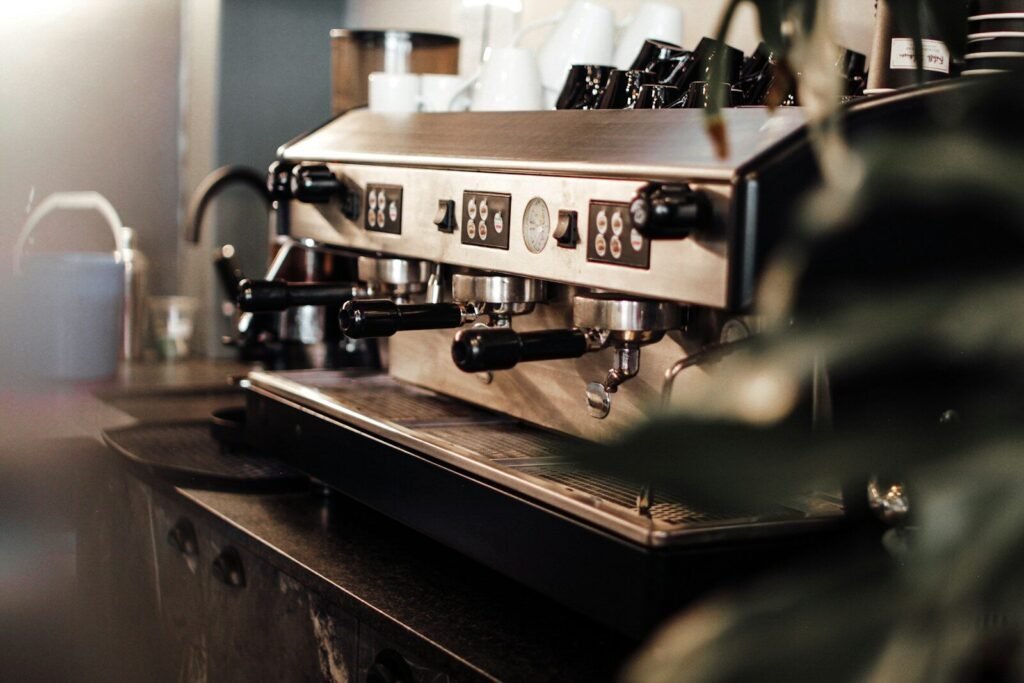
Different parts of the machine need different cleaning habits. The group head needs regular flushing and, when supported, deeper cleaning. The portafilter and baskets need rinsing and oil removal. The steam wand needs immediate wiping and purge action after each use. The drip tray needs frequent emptying because it collects spills and runoff. The water tank needs periodic washing and refilling with clean water. Therefore, the machine stays healthier when you clean each part based on what it actually collects.
The shower screen often traps fine grounds and oils. If your machine allows safe removal, clean it according to the manual. The gasket area also deserves attention because residue there can affect sealing and cause leaks. In contrast, ignoring these small areas can create brewing issues that look bigger than they really are.
The steam wand tip deserves special care because milk can harden inside tiny openings. If the wand clogs, steam pressure can drop and milk texturing will suffer. That problem can make lattes and cappuccinos harder to prepare properly. As a result, steam wand care does more than improve hygiene. It protects drink quality too.
For machine comparison context, Espresso Machine vs Coffee Maker: Which to Buy? helps explain why espresso machines need more hands-on care. If you want to improve shot balance, Understanding Coffee Acidity & Brightness helps you notice when cleanliness and extraction line up.
- Group head, flush regularly and clean deeply when needed.
- Portafilter and baskets, rinse after each use and remove oils weekly.
- Steam wand, purge and wipe after every milk drink.
- Drip tray, empty and wash frequently.
- Water tank, refill with clean water and wash on a routine schedule.
- Shower screen and gasket, inspect and clean based on the manufacturer guide.
Cleaning also affects value. A smaller home machine may need simpler upkeep, while a more advanced machine may offer more access to internal parts and more complex cleaning steps. That means the best maintenance routine depends on the machine you own and how often you use it. If you use the machine daily, even a basic routine can prevent expensive problems later.
For home setup planning, Home Coffee Setup: Budget vs Premium Setups shows how equipment choices affect maintenance. If your grinder needs attention too, Coffee Grinder Types Explained helps you understand how grind consistency supports cleaner espresso.
What Cleaning Will Not Fix
Cleaning will not fix every espresso problem. If the machine has a failed pump, bad thermostat, damaged gasket, broken valve, or serious internal leak, cleaning alone will not solve it. It also will not fix stale beans or poor grind settings. Therefore, you should treat cleaning as maintenance, not magic.
Cleaning also cannot rescue a badly chosen recipe. If the coffee itself tastes off, the roast may not suit espresso, or the dose and grind may need adjustment. In contrast, a clean machine gives you a reliable starting point so you can diagnose the real issue more accurately. That is why maintenance and dialing in go hand in hand.
If the machine still tastes stale after cleaning, check your beans, grinder, and water. If steam pressure drops or the shot runs inconsistently after a full cleaning routine, the machine may need service. At that point, you are no longer solving a cleaning problem. You are solving a mechanical one.
Conclusion
How to Clean an Espresso Machine Properly comes down to three habits: clean daily, deep clean weekly, and inspect monthly. When you remove oils, milk residue, and scale before they build up, your espresso tastes better and your machine works more reliably.
The biggest benefit is consistency. A clean machine gives you a better chance of pulling balanced shots, steaming milk smoothly, and avoiding avoidable repairs. If you keep the routine simple and repeat it regularly, maintenance becomes part of good coffee rather than a chore you keep postponing.