Espresso Shot Tasting: Crema Body Finish
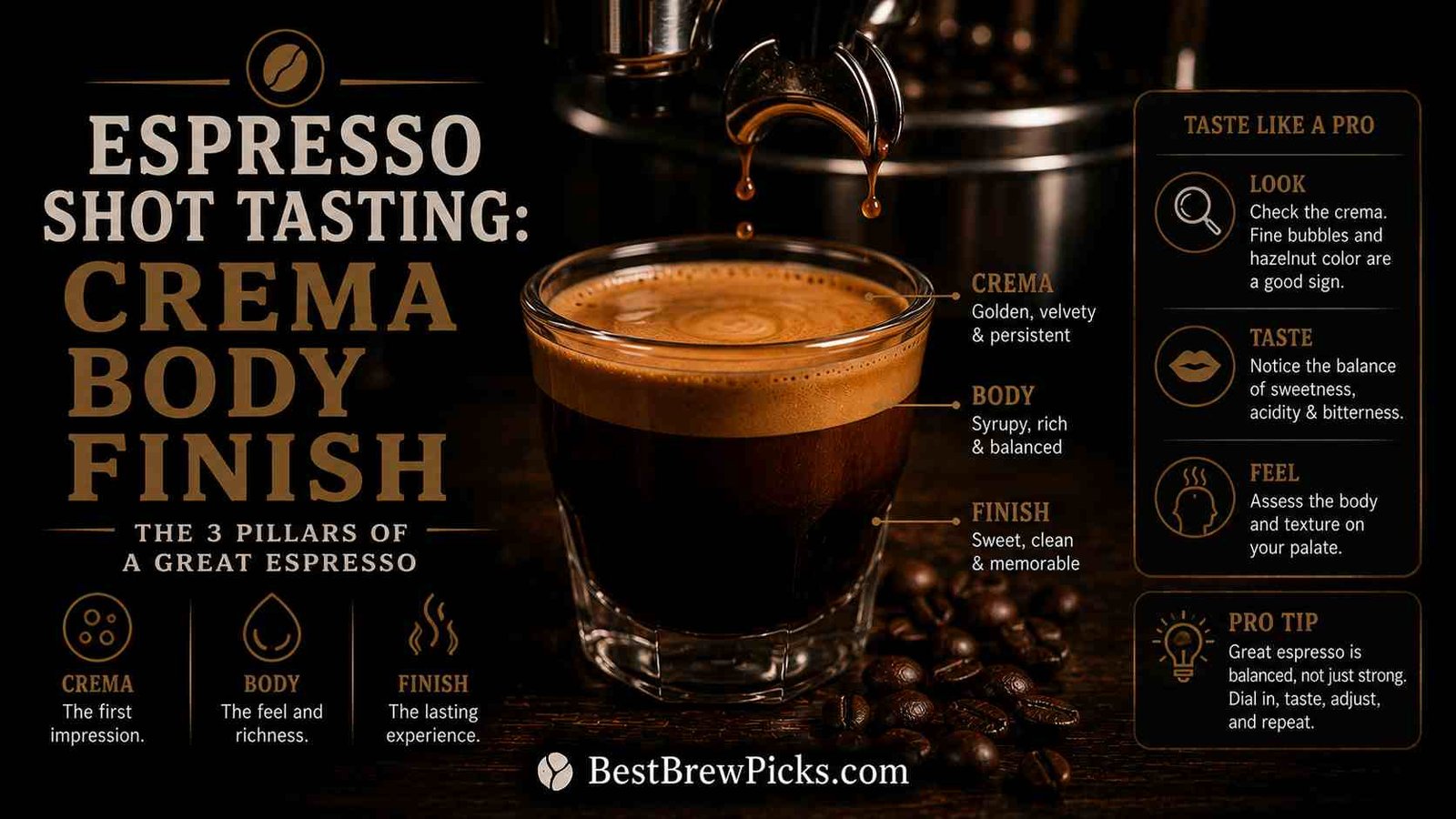
Espresso shot tasting uses three main cues, crema, body, and finish, to judge how a shot feels, tastes, and ends in the cup. Those clues help you understand whether the espresso extracted well, whether it tastes balanced, and whether the final sip leaves a clean or bitter aftertaste.
This matters because espresso can look impressive while still tasting unbalanced. As more US coffee drinkers buy home espresso machines and practice dialing in shots, a simple tasting framework helps them move from guessing to understanding. It also helps you spot whether the problem comes from the beans, the grind, the machine, or the extraction itself.
This article explains what crema, body, and finish mean, how to taste an espresso shot step by step, and what those cues reveal about shot quality. It also shows how roast level and brew control change the final result so you can improve your espresso at home.
What Espresso Shot Tasting Means
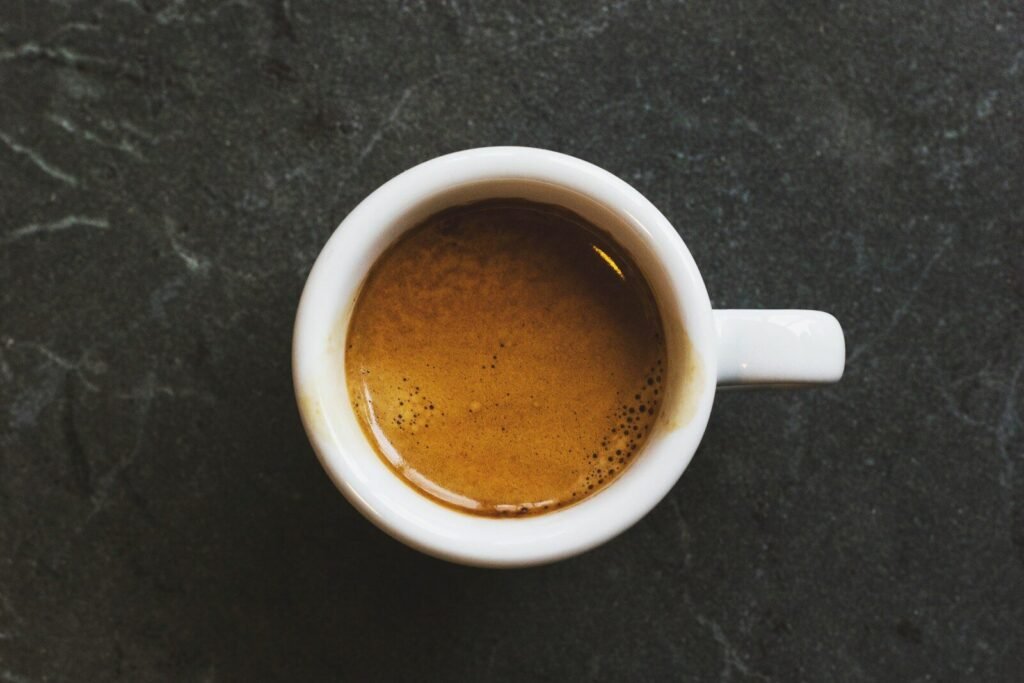
Espresso shot tasting means evaluating a shot based on sensory clues rather than appearance alone. Many people focus on crema first, but crema tells only part of the story. A shot can look rich and still taste harsh, sour, or flat. Therefore, professional-style tasting looks at the whole experience: the look of the shot, the texture in the mouth, and the aftertaste after you swallow.
This approach helps you understand extraction quality. A well-extracted shot usually tastes balanced, feels full enough without being muddy, and finishes cleanly. A poorly extracted shot usually shows clear warnings such as sharp sourness, thin body, watery texture, or a bitter, drying end. As a result, shot tasting becomes a practical troubleshooting tool, not just a flavor exercise.
Espresso tasting also helps you compare beans and roast styles. Some coffees shine in espresso because they create sweetness and structure under pressure. Others need more care because they can turn too sharp or too bitter quickly. That is why tasting the shot matters as much as making it.
For a broader espresso framework, Complete Guide to Espresso Pulling Shots explains the basics of extraction and dialing in. If you want equipment context, Best Espresso Machines for Home Use helps you match the tasting process to the machine you use.
Why shot tasting matters
Shot tasting matters because espresso changes quickly when extraction changes. Small adjustments in grind size, dose, or time can alter flavor a lot.
When you taste carefully, you spot those changes faster. That makes improvement much easier.
What tasting can reveal
Tasting can reveal whether a shot needs more extraction, less extraction, or a different bean choice. It can also show whether the roast suits espresso well.
Those clues save time and reduce wasted shots. They also build confidence.
Crema Body Finish Explained
Crema, body, and finish are the three most useful espresso tasting cues because they describe different parts of the shot experience. Crema refers to the foamy layer on top of the espresso. Body refers to the weight and texture on the tongue. Finish refers to what remains after you swallow, including sweetness, bitterness, dryness, or lingering flavor. Together, they give you a compact way to judge the shot.
Crema often signals freshness and extraction behavior, but it does not guarantee good flavor. A thick crema may look impressive, yet the shot can still taste hollow or bitter. Therefore, use crema as a clue, not a verdict. Body tells you whether the shot feels syrupy, silky, thin, or heavy. Finish tells you whether the flavor ends cleanly or leaves a rough aftertaste.
Good crema usually looks even, tawny, and persistent for a short time after the shot pulls. Body usually feels full but not muddy, with enough weight to support sweetness and flavor. A clean finish usually leaves a pleasant aftertaste rather than a dry or burnt sensation. In contrast, poor crema, weak body, and a harsh finish often point to extraction problems or roast mismatch.
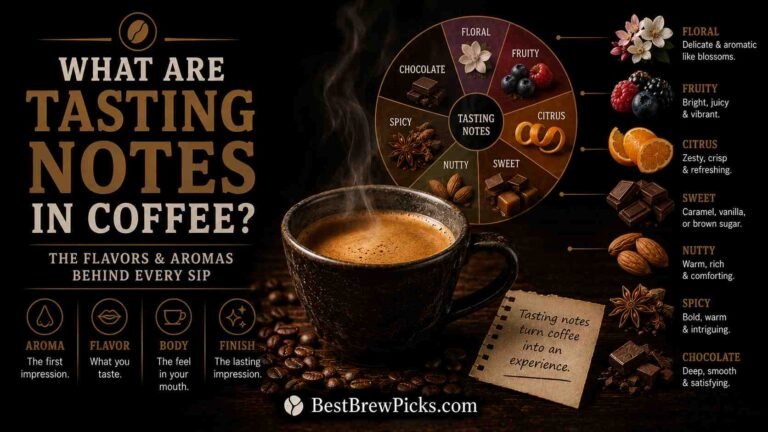
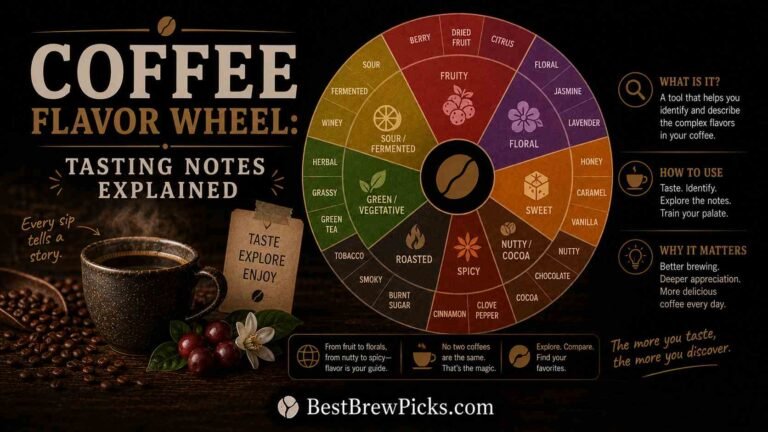
For flavor comparison, What Are Tasting Notes in Coffee? helps you translate espresso impressions into useful language. If you want to compare roast behavior, Light Roast vs Dark Roast: Taste Differences explains how roast level changes the way espresso feels and finishes.
Crema
Crema is the layer of emulsified oils and gases on top of the shot. It often looks golden brown, creamy, and slightly mottled.
It can hint at freshness and pressure behavior, but it does not tell the whole story. You still need to taste the shot.
Body
Body describes how the espresso feels in your mouth. A good body often feels rich, smooth, and concentrated.
Thin body can signal under-extraction or weak brewing. Heavy, muddy body can signal over-extraction or a dull roast.
Finish
Finish describes the aftertaste after you swallow. A good finish often feels sweet, clean, and balanced.
A rough finish often feels bitter, drying, or smoky in an unpleasant way. That can point to extraction trouble or a roast that runs too dark for your preference.
How to Taste a Shot
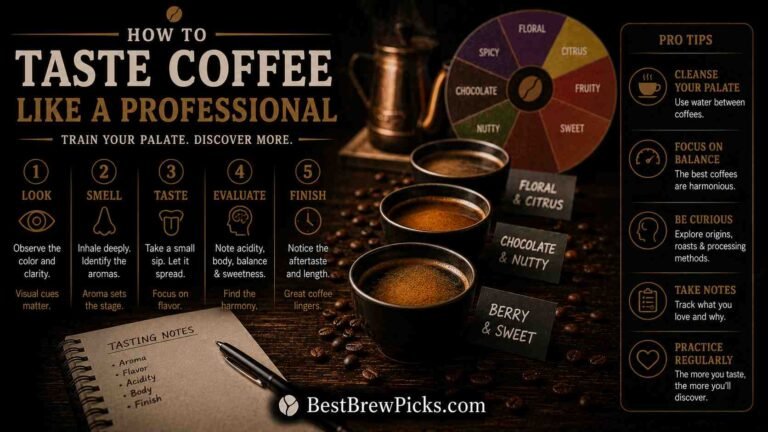
How to taste a shot starts with observing the espresso as it comes out of the machine. Notice the color, crema, and flow. Then smell the shot before you sip. Aroma often gives you the first clue about sweetness, roast character, and possible faults. After that, take a small sip and let the espresso coat your tongue so you can feel the texture and notice the finish.
Begin by asking a few simple questions. Does the shot smell sweet or burnt? Does it feel syrupy or thin? Does the flavor start balanced or sharp? Does the aftertaste fade cleanly or linger harshly? These questions keep you focused on practical clues instead of trying to force a perfect description too quickly.
Then compare the shot to what you expected from the beans and the recipe. A bright, fruity espresso may need a little more sweetness to feel balanced. A darker roast may need more care to avoid bitterness. Therefore, the goal is not to judge every shot against the same standard. The goal is to understand whether the shot matches the bean and brew style you intended.
According to the Specialty Coffee Association, brewed coffee and espresso style drinks benefit from careful temperature control, with brewed coffee standards often landing around 195 to 205°F. While espresso uses different mechanics than drip brewing, the same principle applies: temperature affects flavor extraction and balance. That is why dialing in matters so much in espresso.
For practical dialing in, Coffee Grinder Types Explained helps you understand why grind consistency matters. If you want a shot cleaning and machine care reference, How to Clean an Espresso Machine Properly supports better tasting by keeping the equipment honest.
- Watch the crema and shot color as the espresso pulls.
- Smell the shot before the first sip.
- Take one small sip and let it coat your tongue.
- Notice body, sweetness, and balance before judging the finish.
- Adjust one variable at a time when the shot tastes off.
Good espresso often feels balanced from the first sip through the finish. The body should support the flavor, and the finish should stay pleasant rather than turning harsh. If the shot tastes sour and thin, it may need more extraction. If it tastes bitter and dry, it may need less extraction or a finer roast match. Therefore, tasting becomes a way to diagnose the shot, not just enjoy it.
It also helps to taste espresso side by side when you make adjustments. Pull one shot with your current settings, then change only one factor and pull another. That makes the results easier to read. In contrast, changing several variables at once can make the taste impossible to interpret.
For additional espresso detail, Espresso Shot Tasting: Crema Body Finish is this article itself, and if you want to continue building skill, How to Taste Coffee Like a Professional offers a broader sensory routine that also helps with espresso.
What Good and Bad Shots Tell You
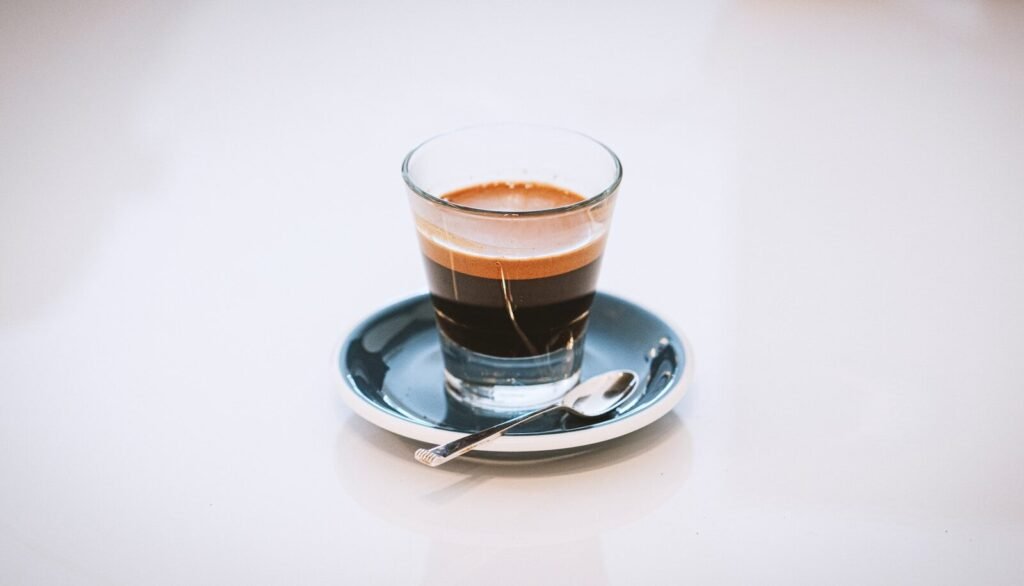
What good and bad shots tell you becomes clear once you link the taste to extraction. A good shot usually tastes sweet, balanced, and concentrated without feeling heavy or harsh. It may show a smooth crema, a full body, and a clean finish. That combination suggests the grind, dose, time, and temperature worked together reasonably well.
A sour shot often means under-extraction. It may taste sharp, thin, or underdeveloped. That can happen when the grind is too coarse, the shot runs too fast, or the brew temperature falls too low. On the other hand, a bitter shot often means over-extraction or a roast that pushes too far into dark territory for the drinker’s taste. It may taste burnt, dry, or hollow after the first few sips.
Roast style plays a big role too. Light roast espresso often needs more careful dialing because it can taste bright and sharp if under-extracted. Dark roast espresso often needs more restraint because it can turn bitter quickly. Therefore, the best tasting method depends on the bean as much as the machine.
For roast comparison, Understanding Coffee Acidity & Brightness helps you separate pleasant lift from sourness. If you want more bean context, Best Arabica vs Robusta Coffee Beans Explained gives helpful background on body and flavor intensity.
Signs of a good shot
A good shot often tastes balanced, sweet, and concentrated. It usually leaves a clean, pleasant finish.
The crema may look attractive, but the flavor and aftertaste matter more. That is the real test.
Signs of a bad shot
A bad shot often tastes sour, bitter, or flat. It may also leave a rough or drying aftertaste.
Those signals usually point to a grind, timing, temperature, or roast issue. Tasting helps you identify which one to change first.
Conclusion
Espresso Shot Tasting: Crema Body Finish gives you a simple way to judge espresso with more confidence. Once you learn to read crema, body, and finish together, you can tell more quickly whether the shot is balanced, under-extracted, or over-extracted.
The main value is practical. Better shot tasting helps you dial in faster, waste fewer beans, and enjoy espresso that tastes richer and cleaner at home. Over time, those small sensory cues become one of the most useful tools in your espresso routine.